

Introduction: Stepping into the World of Classic Raiding
Raiding in World of Warcraft Classic is a completely different experience compared to modern WoW. Unlike Retail WoW, where mechanics are faster and more complex, WoW Classic emphasizes long, strategic encounters, coordination, and resource management.
For players wondering how to start raiding WoW Classic, the process can seem overwhelming. Unlike retail WoW, there’s no automated raid finder, and gear progression is more rigid, meaning players must actively prepare, find a raid group, and learn encounter mechanics before stepping into endgame content.
This WoW Classic raid guide will break down everything you need to know about starting your raiding journey, from gearing up and finding a raid team to understanding raid mechanics and mastering role-specific strategies.
If you’re ready to step into legendary raids like Molten Core, Blackwing Lair, and Naxxramas, this guide will ensure you’re fully prepared for the challenges ahead.
Understanding Raids in WoW Classic: How They Work
In WoW Classic, raiding is the pinnacle of PvE content, requiring 40-player or 20-player groups to tackle some of the most iconic bosses in Warcraft history. Unlike retail WoW, Classic raids are less mechanically complex but require strong team coordination, gear optimization, and long-term planning.

Classic Raid Progression and Phases
WoW Classic follows a phased raid release system, with different raids unlocking over time. The main raid progression follows this order:
- Phase 1: Molten Core, Onyxia’s Lair
- Phase 3: Blackwing Lair
- Phase 4: Zul’Gurub (first 20-man raid)
- Phase 5: Temple of Ahn’Qiraj (AQ40) and Ruins of Ahn’Qiraj (AQ20)
- Phase 6: Naxxramas, the hardest raid in Classic
Each of these raids requires different levels of preparation, and progression is based on acquiring better gear, improving team coordination, and understanding boss mechanics.
Unlike modern WoW, where boss fights are highly scripted, Classic raids rely more on resource management, long fight durations, and tight resistances (Fire Resistance for Molten Core, Nature Resistance for AQ40, etc.)
How to Start Raiding in WoW Classic: First Steps for Beginners
Many players wonder how to start raiding WoW Classic, especially given that raids aren’t accessible through automated matchmaking. The process involves preparing your character, finding a raid team, and understanding the content before stepping into your first raid.
Step 1: Preparing Your Character for Raiding
Unlike modern WoW, where gear catch-up systems exist, Classic WoW requires proper pre-raid gearing before you even think about stepping into your first raid.
- Run dungeons like Scholomance, Stratholme, and Blackrock Depths to acquire pre-BiS (Best in Slot) gear.
- Complete reputation grinds for valuable gear upgrades (e.g., Argent Dawn for Naxxramas access).
- Craft or buy essential resistance gear, especially for Fire (Molten Core), Nature (AQ40), and Frost (Sapphiron in Naxxramas).
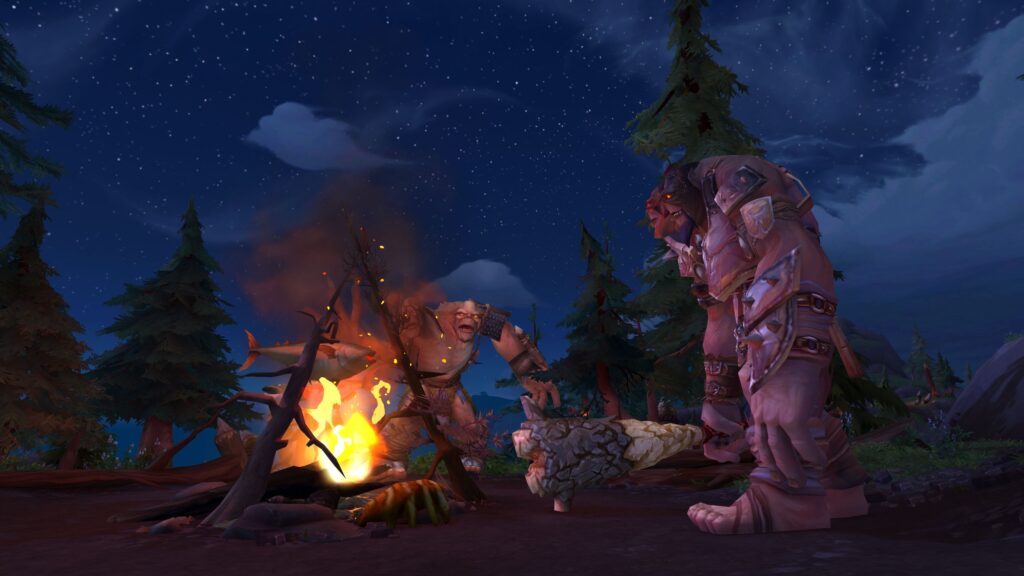
Without proper pre-raid gear, you’ll struggle to perform your role effectively, and many raid groups won’t accept undergeared players.
Step 2: Finding a Raid Group
Raiding in WoW Classic is a team-based effort, and finding a good raid group is crucial for success.
- Join a raiding guild – Guilds offer structured progression, scheduled raids, and leadership that guides new players.
- Look for PUG (Pick-Up Groups) raids – While less structured, PUG raids allow you to experience content without long-term commitment.
- Participate in community events – Some servers host weekly “open raids” where players can learn fights in a relaxed setting.
Finding a consistent raid team is highly recommended, as Classic raids reward long-term coordination and teamwork.
Classic Raid Roles: Understanding Your Responsibilities
Unlike modern WoW, where classes are more flexible, Classic WoW follows strict role assignments, meaning players must understand their job before entering a raid.
Tanks: The Backbone of the Raid
Tanks in Classic WoW must manage threat generation, boss positioning, and defensive cooldowns. Unlike retail WoW, where tanks have high passive threat generation, Classic WoW requires tanks to actively manage aggro with abilities like Sunder Armor (Warrior) or Holy Shield (Paladin).
Most raids use Warriors as the main tanks, with Druids and Paladins providing support off-tanking. Tanking in Classic requires precise positioning, awareness of boss mechanics, and proper cooldown management to avoid wipes.
Healers: The Lifeline of the Raid
Healing in WoW Classic is mana-intensive, meaning healers must focus on efficiency over spamming heals. Healers need to assign healing targets, manage mana conservation, and coordinate cooldowns to handle long encounters.
Classic raids typically rely on Priests, Paladins, Druids, and Shamans for healing, each with specific strengths:
- Priests excel at raid-wide healing and dispels.
- Paladins/Shamans provide powerful buffs and utility.
- Druids offer HoTs and Rebirth (battle resurrection), which is invaluable.
DPS: The Damage Dealers
DPS players in Classic WoW must balance damage output with executing mechanics properly. Unlike modern WoW, where DPS is highly mobile, Classic raiding requires stationary positioning, maximizing uptime, and maintaining proper threat management.
A common mistake among new DPS players is overpulling threat—since tanks have limited tools for aggro management, DPS must pace their damage and wait for the tank to establish threat before going full burst.
Advanced Raiding: Strategies for Progression and Optimization
Once players have mastered the basics, they can progress into advanced raiding strategies, including boss positioning, consumable management, and loot distribution systems.
Consumables and Buffs: The Key to Raid Success
In Classic WoW, consumables play a massive role in raid performance. Raiders are expected to bring flasks, potions, food buffs, and world buffs to maximize effectiveness.

Certain buffs, like Rallying Cry of the Dragonslayer (Onyxia/Nefarian) and Songflower Serenade (Felwood), can significantly boost raid DPS, making them mandatory for serious progression groups.
Loot Distribution and DKP Systems
Unlike retail WoW, where personal loot is the norm, Classic WoW relies on guild-based loot distribution. Most guilds use:
- DKP (Dragon Kill Points): A system where players earn points for attending raids and spend them on loot.
- Loot Council: A system where raid leaders distribute loot based on performance, attendance, and upgrade value.
Understanding how loot works is essential to progressing in a raid guild efficiently.
Leave a Reply