
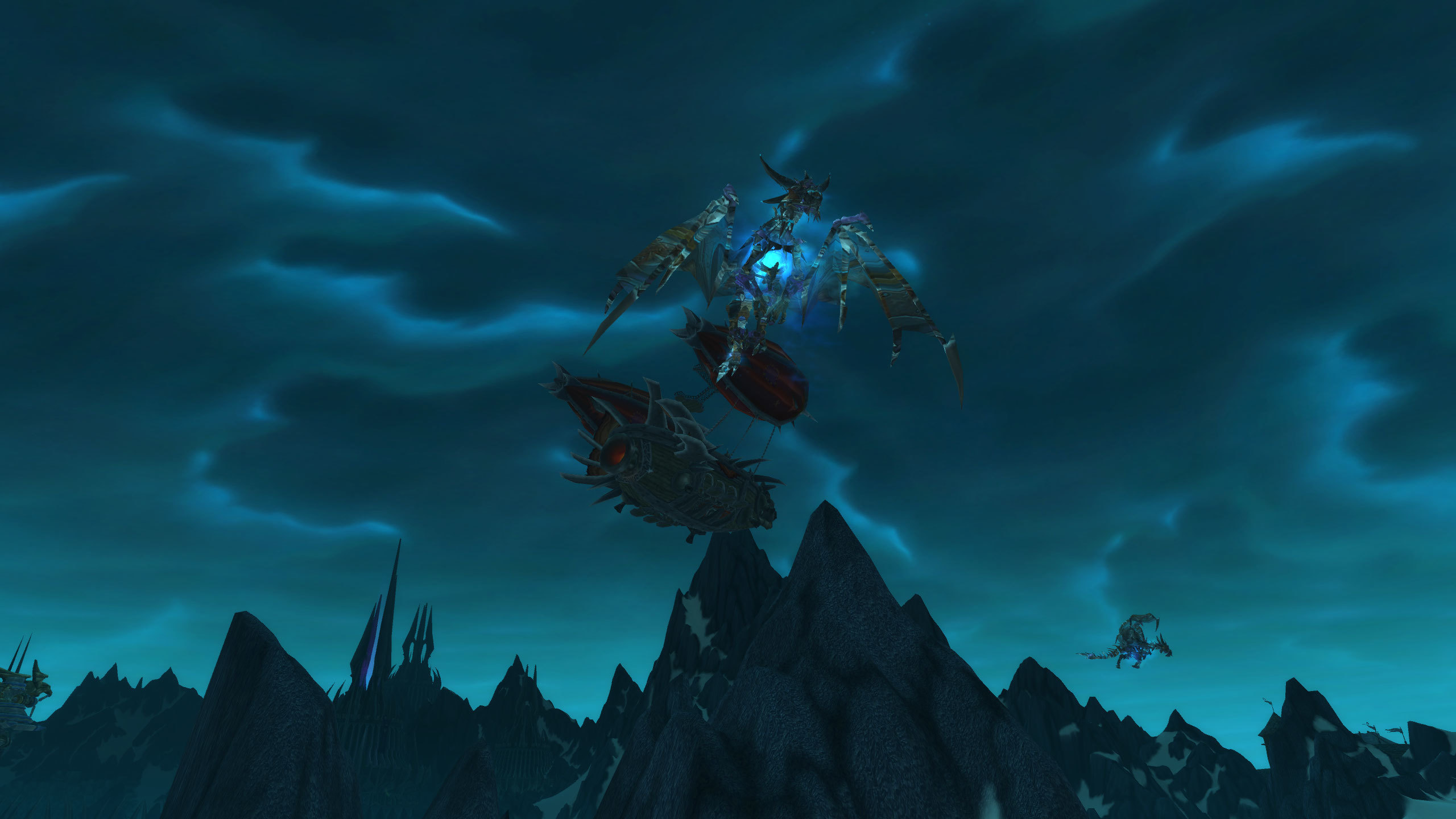
Wrath of the Lich King is frequently cited as the pinnacle of World of Warcraft storytelling because of its singular, relentless focus on the Lich King. From the moment the player arrives in the frozen wastes of Northrend, they are not just exploring—they are invading. The expansion masterfully creates a sense of building dread, turning the entire continent into a chessboard where every move brings the player closer to a final, inevitable confrontation with the game’s most legendary antagonist.
The Inevitability of the Final Fight
The brilliance of Wrath lies in how the villain is used. Arthas is not hidden behind a curtain until the final raid; he is a constant presence. He appears in quests, cinematics, and world events, constantly reminding the player that he is watching them. This persistent threat turns the entire expansion into a long-form buildup. Every zone the player clears, every fortification they destroy, and every ally they save is a step in a war of attrition. This sense of steady progress is what makes the final raid, Icecrown Citadel, feel like a deserved victory. It is the end of a very long, very cold campaign.
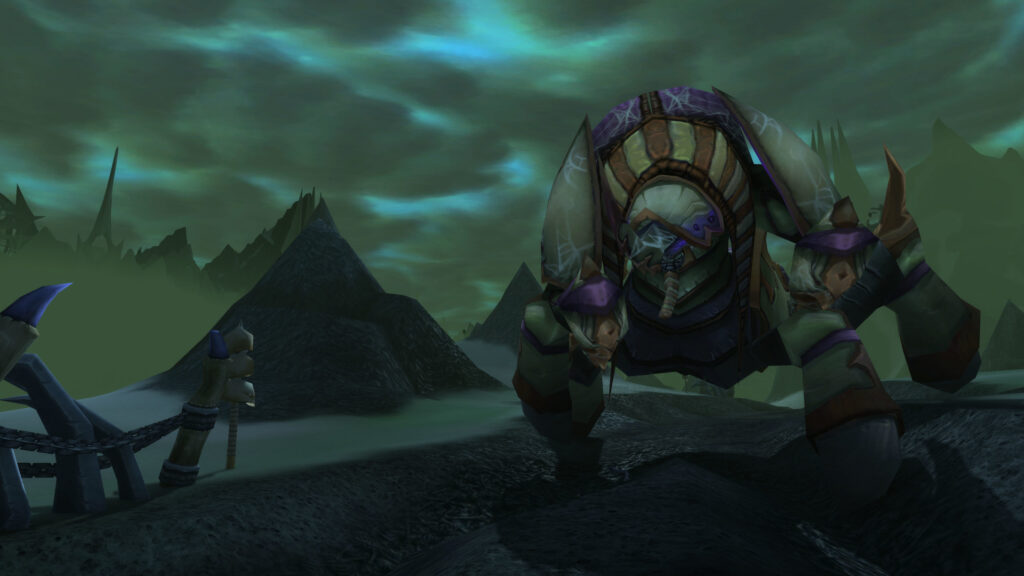
Environmental storytelling plays a crucial role in building this dread. As the player pushes deeper into Northrend, the land itself begins to reflect the Lich King’s corruption. The zones closer to the Frozen Throne are more desolate, more dangerous, and more heavily fortified by the Scourge. This map-wide progression creates a sense of “moving through the enemy’s house.” You are physically encroaching on his domain, and the atmosphere confirms it with every zone change. By the time you reach the summit, the player feels like an intruder in a land that belongs to the dead.
Staging the Legendary March
| Strategy | Narrative Result |
|---|---|
| Persistent Antagonist | Personalizes the villain as a rival. |
| Progression Layout | Zones feel like layers of a fortress. |
| Thematic Escalation | Atmosphere grows colder and darker over time. |
| Cumulative Success | The final fight feels earned through work. |
The Emotional Payoff
Because the expansion is so focused, the emotional payoff for the final defeat is incredibly high. The player has seen the Lich King’s influence everywhere; they have seen the cost of his war on the local inhabitants. The final battle isn’t just a boss fight; it is the closure of a chapter that the player has been writing for months. This narrative clarity provides a level of satisfaction that is rare in gaming, proving that a strong, singular antagonist is the most powerful tool for building a cohesive experience.
A Standard for Villainy
Wrath of the Lich King set a standard that every expansion since has attempted to reach. It taught the developers that a villain needs a narrative “runway” to be truly effective. By giving Arthas the time and space to become a part of the player’s daily life in Northrend, the game created a legendary enemy who felt like a genuine force of nature. It is a masterclass in pacing, showing how to turn a player into a hero through the simple, repetitive, and deeply rewarding work of a long, legendary march.
Leave a Reply