

Raids are more than encounters — they are cinematic experiences. From sweeping arenas and dramatic entrances to phase transitions that feel like scene changes, raids create the sensation of stepping into a living film. Blizzard blends spectacle, narrative, and mechanical rhythm to produce encounters that feel both theatrical and interactive. Players are not just watching the story unfold; they are performing inside it.
This article explores how raids achieve their cinematic identity, how design choices create emotional tension, and why the experience feels so much like an interactive movie.
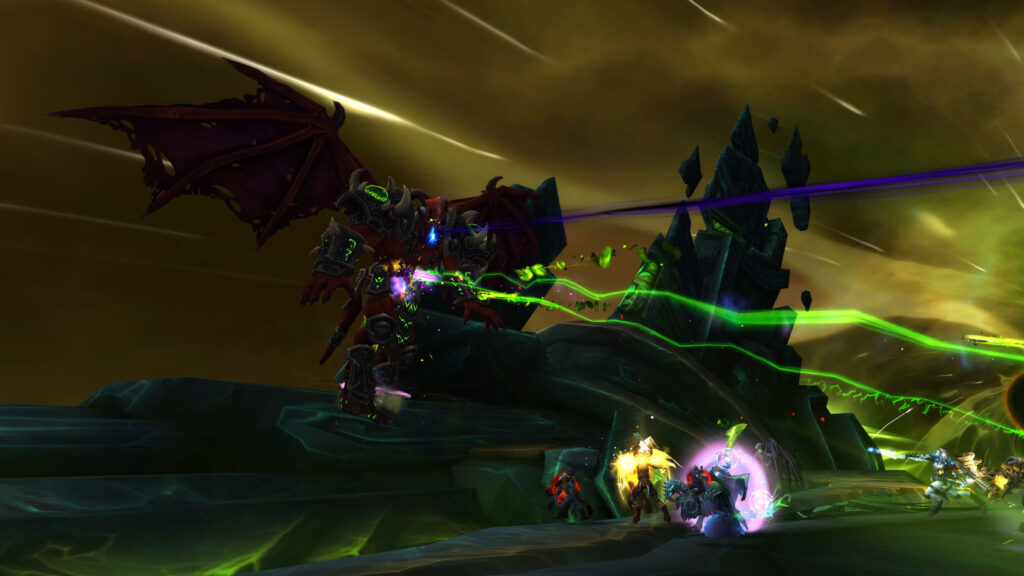
Visual Storytelling Through Encounter Spaces
Every raid arena is crafted like a set piece. Before a boss even appears, the environment tells a story — crumbling temples that hint at forgotten gods, vast caverns filled with ancient bioluminescent life, floating platforms over swirling void storms. These spaces frame each battle like a scene in a film, creating mood before the first spell is cast.
Environments set emotional context with cinematic precision.
Boss Phases Structured Like Movie Acts
Boss fights follow dramatic pacing. Phase transitions operate like act breaks—introducing new stakes, new visuals, new music, and new tension. Just as a film escalates toward a climax, raids build intensity through layered mechanics, escalating danger, and thematic evolution. The encounter becomes a narrative arc delivered through gameplay rather than dialogue.
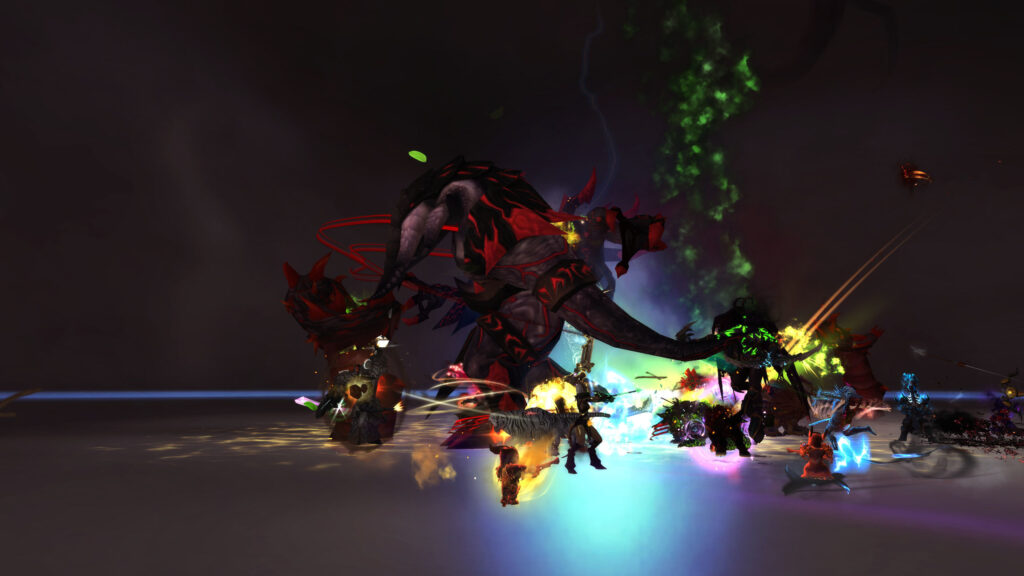
To illustrate this cinematic structure, here is a simple comparison:
| Movie Structure | Raid Encounter Parallels | Emotional Effect |
|---|---|---|
| Act 1: Establishment | Intro mechanics and visual setup | Orientation and anticipation |
| Act 2: Rising conflict | New mechanics, increased danger | Stress and engagement |
| Act 3: Climax | Final burn phase or chaotic finale | Adrenaline and triumph |
| Resolution | Loot, dialogue, aftermath | Release and emotional closure |
Music as Emotional Direction
Music shifts dynamically as encounters progress. Soaring orchestral themes ignite tension, quiet motifs build suspense, and sudden crescendos create a sense of cinematic peak. Players feel emotionally guided through the encounter, just as a film uses music to steer audience reactions. Soundtracks transform battles into theatrical performances.
Audio directs emotion like a soundtrack score.
Mechanical Choreography That Feels Scripted
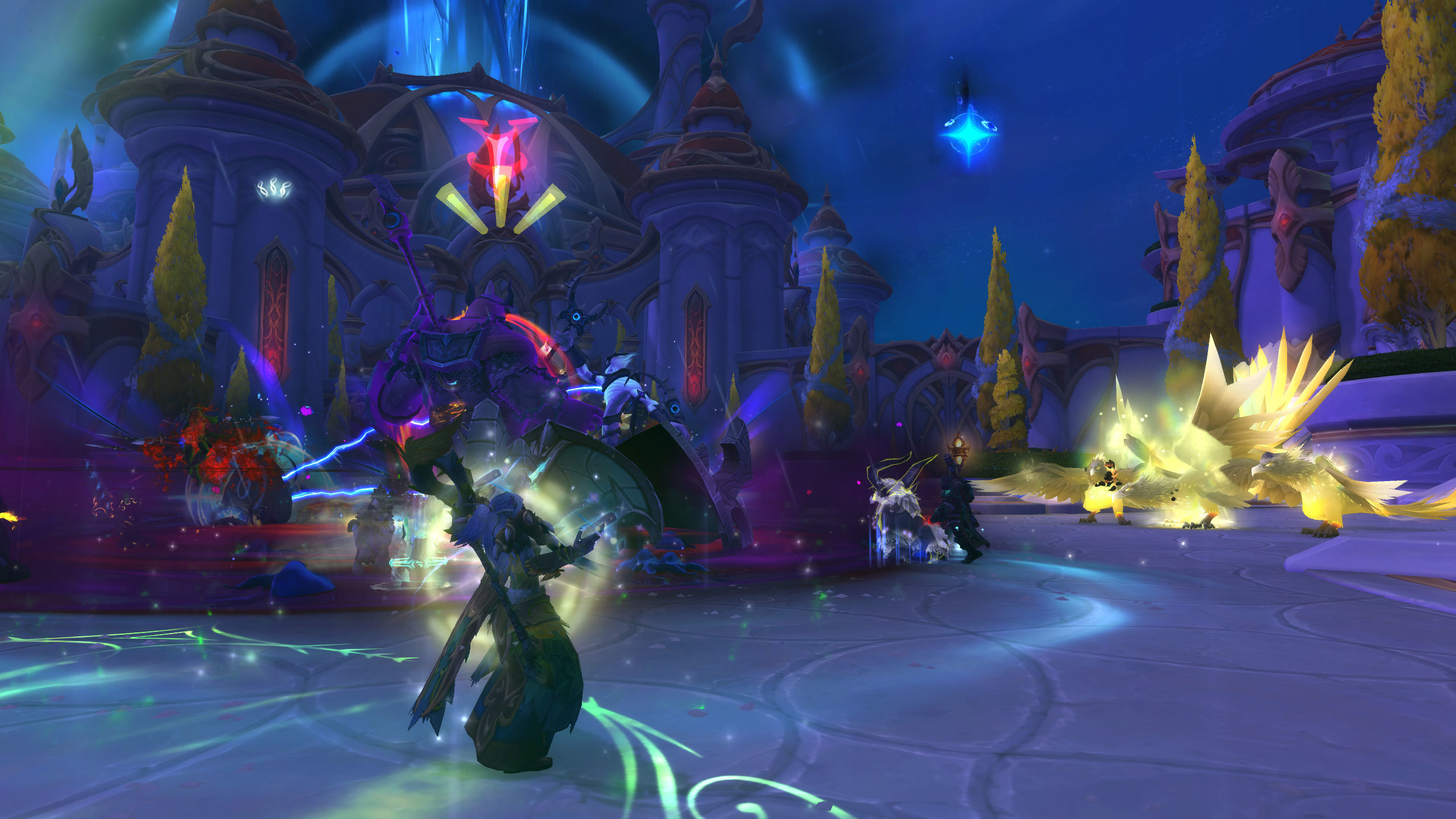
Though unpredictable in execution, raid mechanics follow a choreographed rhythm. Players dodge, stack, spread, intercept, rescue, and execute sequences that resemble action scenes. This choreography creates a sense of being part of an unfolding spectacle — a moment where every action contributes to the story’s momentum.
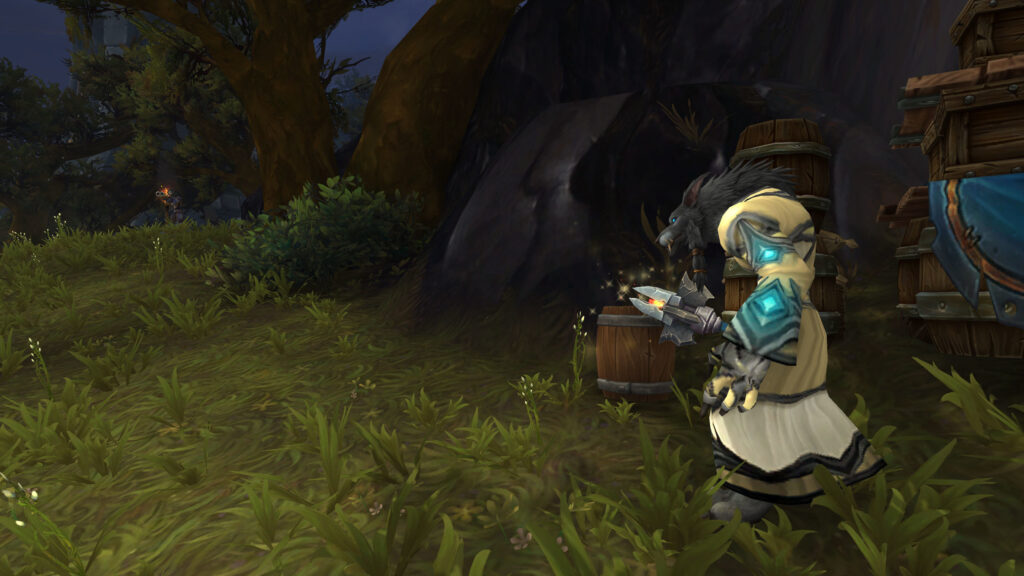
Gameplay becomes performance.
Cutscenes, Voice Lines, and In-Combat Acting
Bosses introduce themselves with dramatic monologues, taunts, or emotional reveals. Sometimes they break into the fight with scripted moments — transformations, sudden betrayals, or environmental shifts. These elements mimic film direction, turning battles into theatrical confrontations that feel larger than life.
The encounter speaks its own script.
Why It Works
Raids feel cinematic because they engage all senses. They blend visual spectacle, musical direction, narrative pacing, and mechanical rhythm into a unified emotional experience. Players feel like actors in a living film — not just spectators, but heroes performing their part in a grand story.
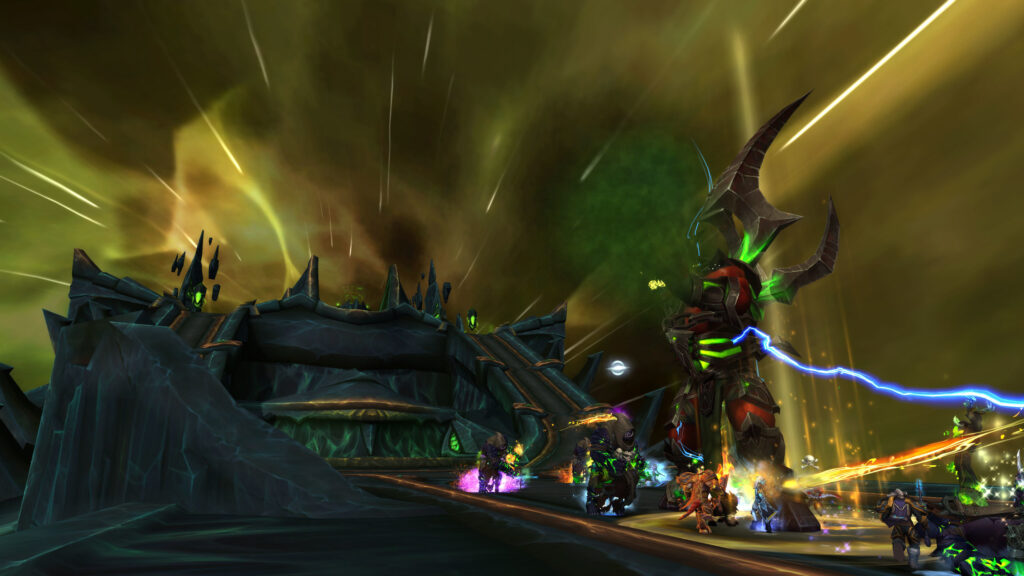
Raids succeed because they make players feel present inside the movie.
Conclusion
Blizzard achieves cinematic raids by designing encounters like interactive films — complete with dramatic pacing, visual storytelling, music, and mechanical choreography. These elements transform boss fights into unforgettable narrative experiences, where players become performers in the unfolding story.
Leave a Reply